Human and Animal Health Threat
Larvae feed on living tissue causing severe wounds, infection, pain, and potential death if untreated.
New Mexico Awareness
Helping protect livestock, wildlife, pets, and communities with clear information about New World screwworm.
Larvae feed on living tissue causing severe wounds, infection, pain, and potential death if untreated.
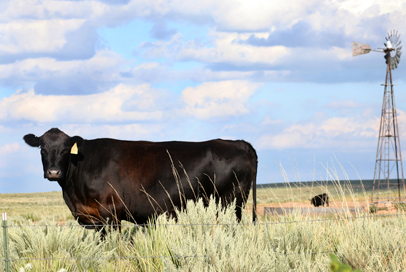
Outbreaks can devastate livestock operations by increasing treatment costs, disrupting production, and affecting rural economies.
Although eradicated from the U.S., regional outbreaks increase the need for monitoring and preparedness.
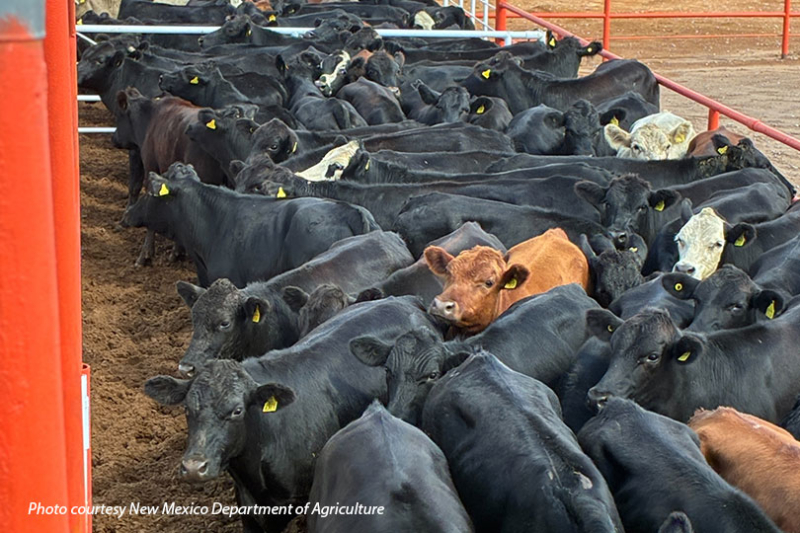
Mexican cattle imports resumed Sept. 24 at the Santa Teresa port of entry in New Mexico.
Read the full article on Port reopens to livestock tradeAPHIS Approves Release of New World Screwworm Infested Zone in New Mexico
Release date:
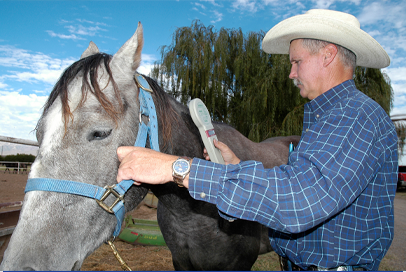
New Mexico animal health officials have confirmed the state’s second case of New World screwworm, identified Sept. 17 in a horse in Grant County.
Read the full article on the second NWS case in Grant CountyAuthorization for Drug to Prevent New World Screwworm in Multiple Livestock and Wildlife SpeciesCheck animals often for wounds, odor, discharge, and changes in behavior.
Clean, disinfect, and protect wounds promptly. Isolate animals with open wounds when possible.
View the Animal Drugs for NWS (PDF)Work with your veterinarian on diagnosis, treatment, and prevention options.
Early reporting helps prevent spread and supports rapid response efforts.
What To DoIf you suspect screwworm infestation, contact your veterinarian or the New Mexico Livestock Board. View the Factsheet: How to Sample for more information on what to do.
Contact your veterinarian or the New Mexico Livestock Board.
Human cases are rare but serious. Report human infestations immediately to the New Mexico Department of Health.